
Memory Mechanics
Cat Dash 3 Recall Quest centers on pattern recognition and spatial recall. Players must remember the location of objects, characters, and visual cues across different environments. The game presents sequences that need to be replicated, and hidden items that require a sharp eye to spot. This design encourages players to slow down and pay close attention to their surroundings. Each puzzle builds on the previous one, gradually increasing in complexity without becoming frustrating. The memory challenges feel natural and integrated into the story rather than feeling like arbitrary tests.
Urban Exploration
The game unfolds across three distinct settings: a lively city district, an underground sewer network, and a large hotel. Each location has its own visual style and set of interactive elements. The city streets are filled with storefronts and street performers that may hold clues. The sewers offer a darker, more mysterious atmosphere with hidden passages. The hotel presents a more structured environment with multiple floors and rooms to investigate. Moving between these areas provides a sense of progression and discovery, as each new zone introduces fresh puzzles and characters to interact with.
Character Interactions
Throughout the adventure, players meet various friendly characters who offer hints or require assistance. These encounters are optional but often reveal shortcuts or additional puzzle pieces. The characters are designed with distinct personalities, from a helpful street musician to a distracted hotel clerk. Talking to them can provide context for the next objective or simply add charm to the world. The game does not force dialogue, allowing players to explore at their own pace and choose how much they engage with the story.
Visual Design and Atmosphere
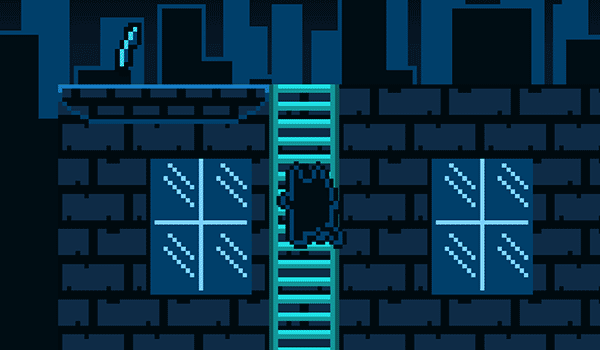
The art style uses bright colors and clear outlines, making objects easy to distinguish. Each location has a cohesive color palette that sets the mood: warm tones for the city, cool blues for the sewers, and rich golds for the hotel. The animations are smooth but simple, focusing on readability. Background details like moving traffic or flickering lights add life without distracting from the puzzles. The overall presentation is polished and inviting, suitable for players of all ages.
Progression and Rewards
As players solve puzzles and find friends, they unlock new areas and collect small rewards like decorative items for the cat. These rewards are cosmetic and do not affect gameplay, but they provide a sense of accomplishment. The game tracks progress through a simple checklist, showing which friends have been found and which puzzles remain. There is no time pressure or scoring system, which keeps the experience relaxed. Players can replay any completed area to find missed items or simply enjoy the scenery again.






Comments
0 comments