
Core Gameplay Loop
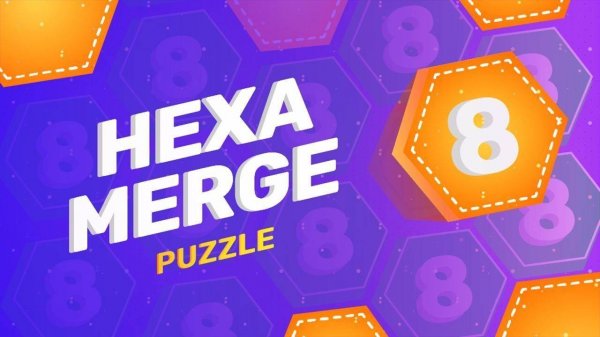
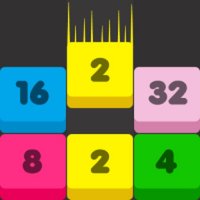
Players interact with a hexagonal grid filled with numbered tiles. The primary action involves selecting two tiles showing the same number and bringing them together. When they touch, the tiles combine into a single tile displaying the next number in sequence. For example, two tiles marked with 2 become one tile with 4. After each merge, new tiles appear on the board, gradually filling available spaces. The game continues until the grid becomes completely full and no further merges are possible.
Strategic Depth in Six Directions
The hexagonal layout introduces more connection points than a standard square grid. Each tile touches up to six neighbors, creating multiple paths for merges. This design forces players to consider spatial relationships from every angle. A move that seems beneficial might block future merges if not carefully placed. The extra directions add complexity without overwhelming the player, making each decision feel meaningful.
Relaxed Pacing and Accessibility
There are no timers or score thresholds to meet. Players can pause between moves to study the board and plan several steps ahead. This makes the game suitable for short breaks or longer sessions. The visual design uses bright, clear colors and simple shapes, keeping the focus on the puzzle itself. No distracting animations or sound effects interrupt the thinking process.
Progression and Scoring
As merges create higher numbers, the game may track the highest value reached or total points accumulated. Some versions of this puzzle type include a running score that increases with each successful merge. This provides a sense of accomplishment without pressuring the player. The absence of levels or stages means each session is unique, shaped entirely by the player's choices and the random placement of new tiles.
Tips for Effective Play
Focus on merging low-number tiles early to free up space. Keep the center of the grid as open as possible because it offers the most connection opportunities. Look ahead to see if a merge will create a chain reaction, where one merge leads to another. Avoid letting high-number tiles accumulate in corners, as they become harder to match. Regular practice helps players recognize patterns and plan efficient moves.




Comments
0 comments