
Core Concept
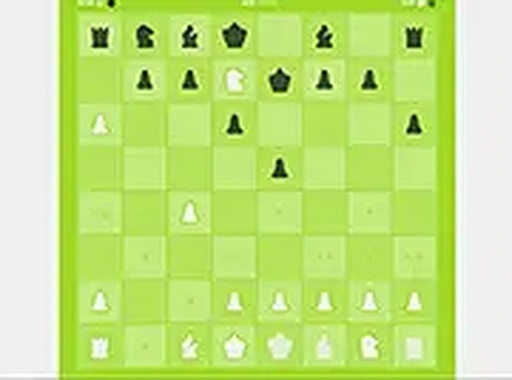
Chess Folly: Whimsical Tactics reimagines the classic board game by introducing an opponent that deliberately chooses illogical moves. Instead of a tense, strategic duel, each match becomes a comedic spectacle where the AI might move a rook to a useless square or sacrifice a queen for no reason. This design strips away the pressure of traditional chess, allowing players to focus on fundamental tactics while enjoying unexpected surprises. The game retains all standard chess rules, ensuring that victories feel earned despite the opponent's eccentric behavior.
AI Behavior and Humor
The central feature is the opponent's intentionally erratic decision-making. While the AI follows basic chess rules, it frequently selects moves that defy conventional strategy, such as advancing pawns into obvious traps or ignoring threats. This creates a lighthearted atmosphere where players can laugh at the absurdity rather than stress over mistakes. The unpredictability means no two games play out the same, offering replay value for those curious to see what the AI will do next. The humor is family-friendly and accessible, making it suitable for children and adults alike.
Accessibility and Platform
Designed for instant play, the game runs entirely in a web browser without requiring any software installation or account creation. It is optimized for both desktop and mobile devices, with touch controls that allow drag-and-drop piece movement on tablets and phones. The interface is clean and uncluttered, with a full-screen mode available for immersive play. This accessibility ensures that anyone with an internet connection can start a match within seconds, whether on a computer at home or a smartphone during a commute.
Skill Development Through Play
Despite its comedic premise, the game encourages players to practice core chess principles. Because the opponent's moves are unpredictable, players must adapt their strategies on the fly, reinforcing skills like pattern recognition, patience, and flexible planning. Beginners can learn piece movement and basic checkmate patterns in a low-stress environment, while experienced players can experiment with unconventional openings or tactics they would not risk in a serious game. The result is a tool for improving chess intuition without the frustration of competitive play.







Comments
0 comments