
Core Time Loop Mechanic
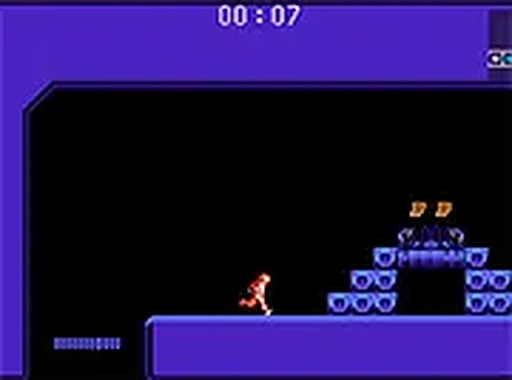
Chrono Pixel centers on a unique time loop system. Each round gives you exactly 20 seconds to act before a reset occurs. What makes this design compelling is that your character remembers the layout and obstacles from previous attempts. This allows you to gradually build a mental map of each area, identifying shortcuts and puzzle solutions that were not obvious at first. The loop creates a natural learning curve where failure is not a setback but a step forward.
Retro Visual Design
The pixel art style draws from classic 2D platformers of the 1980s and 1990s. Environments feature distinct color palettes that help differentiate areas and highlight interactive elements. The visual simplicity ensures that players can quickly read the screen and react, which is essential given the tight time limit. Backgrounds and character sprites are deliberately minimal to keep focus on the puzzle elements.
Strategic Puzzle Solving
Puzzles in Chrono Pixel are not about memorizing a single solution. Instead, they require players to experiment with different approaches across multiple runs. Some obstacles may require precise timing, while others demand a specific sequence of actions. The game rewards players who think ahead and plan their route before the timer starts. Each new attempt offers a chance to test a different hypothesis about how to progress.
Progression Through Knowledge
Unlike traditional games where progress is measured by collecting items or defeating enemies, Chrono Pixel advances based on what you learn. Each successful puzzle solution opens a new section of the map. The game does not rely on random elements, so every discovery is permanent. This design encourages repeated play and careful observation of the environment for hidden clues or alternative paths.
Reflexes and Patience
While the 20-second timer demands quick reflexes, Chrono Pixel also requires patience. Rushing without a plan often leads to wasted attempts. The best approach is to spend the first few runs simply observing the layout and identifying potential routes. As you become familiar with the environment, you can start executing more efficiently. This balance between speed and deliberation is what makes the gameplay engaging.







Comments
0 comments