
Core Flight Mechanics
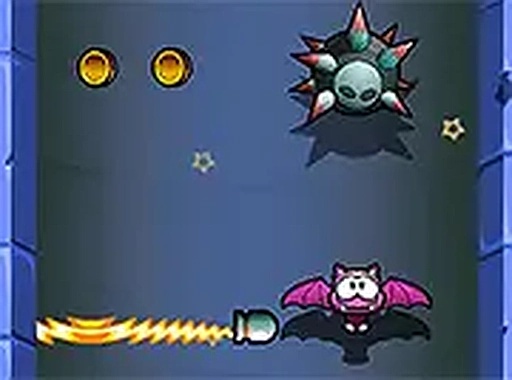
In Nocturnal Glide Challenge, players control a small bat navigating a vertical sky filled with hazards. The primary interaction is simple: tap or click to adjust altitude. This straightforward control scheme means anyone can start playing immediately, but mastering the timing required to avoid obstacles takes practice. The bat responds instantly to input, making each movement feel precise and responsive.
Obstacle Variety and Progression
As you climb higher, the sky becomes increasingly crowded with threats. Early stages feature widely spaced hazards, giving newcomers room to learn. Later sections introduce faster-moving obstacles and tighter gaps, demanding sharper reflexes. This gradual difficulty curve ensures that each session feels like a natural progression, rewarding players who stay focused and adapt quickly.
Scoring and Reward System
Shiny coins are scattered throughout the flight path. Collecting them adds to your total score, providing a clear incentive to take calculated risks. The game does not feature power-ups or special abilities; success depends entirely on your ability to navigate safely while grabbing as many coins as possible. This pure scoring model keeps the experience honest and skill-based.
Visual and Audio Atmosphere
The game presents a clean, colorful visual style that suits its family-friendly nature. The night sky background creates a calm yet alert mood, while obstacles are clearly visible against the backdrop. Sound effects provide gentle feedback for coin collection and collisions, without being distracting. The overall presentation is minimal but effective, focusing attention on the gameplay.
Accessibility and Platform Support
Nocturnal Glide Challenge runs directly in web browsers on both desktop computers and mobile devices. No downloads or installations are required. A full-screen mode is available for those who want a more immersive experience. The one-touch controls translate well to touchscreens, making it equally enjoyable on phones, tablets, and laptops.
Replay Value and Skill Growth
Because the game relies on player skill rather than random elements, improvement comes from practice. Each attempt builds muscle memory and pattern recognition. The lack of a fixed endpoint means there is always a higher score to chase. This design encourages repeated play sessions, as players strive to beat their personal bests and refine their technique.






Comments
0 comments