
Core Gameplay Loop
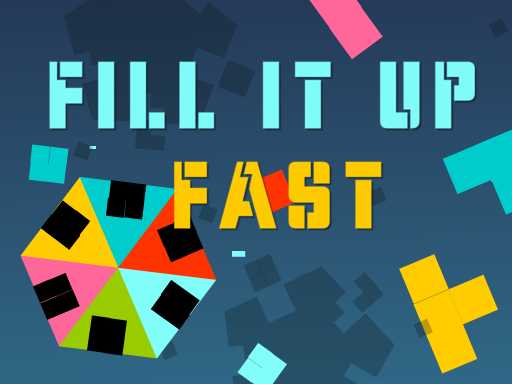
Each round presents a circular base that turns at a steady rate. A single empty slot moves along its edge. Meanwhile, a geometric piece drops from above. The objective is to rotate and position that piece so it slides perfectly into the slot. Success clears the piece and awards points. The base never stops, so every placement requires quick thinking.
Difficulty Progression
Early rounds use simple squares and triangles. The rotation speed is slow, giving newcomers time to learn the controls. As scores climb, the base spins faster and the shapes become irregular polygons with awkward angles. Later stages may introduce multiple empty slots or pieces that change shape mid-drop. This gradual ramp keeps the challenge fresh without becoming frustrating.
Visual and Audio Design
The game uses bright, solid colors for each shape against a clean background. The rotating base has a subtle grid pattern that helps judge alignment. A soft click sound confirms a successful fit, while a gentle buzz indicates a miss. The interface is minimal, with only the score and level number displayed, keeping focus on the puzzle.
Control Scheme
Interaction is limited to a single key press. Tapping the spacebar (or a designated on-screen button) locks the current shape in place. Holding the key rotates the piece clockwise. Releasing it drops the shape straight down. This simple control set makes the game accessible on both keyboard and touch devices, though the timing challenge remains consistent.
Session Structure
There is no set time limit for individual rounds. A round ends only when a shape misses the slot and falls off the base. Each successful placement adds to a combo meter that multiplies points. Missing resets the combo. This structure encourages careful play over speed, rewarding precision. Sessions naturally last anywhere from two to fifteen minutes depending on player skill.



Comments
0 comments