
Matching Mechanics
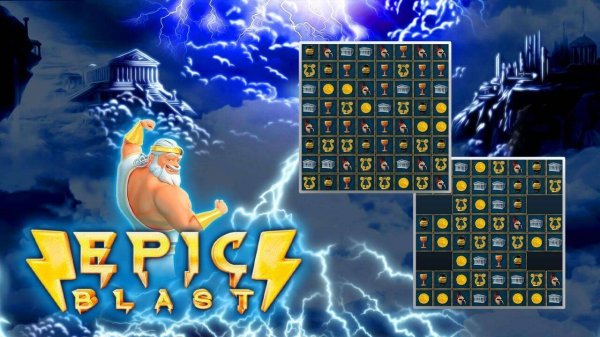
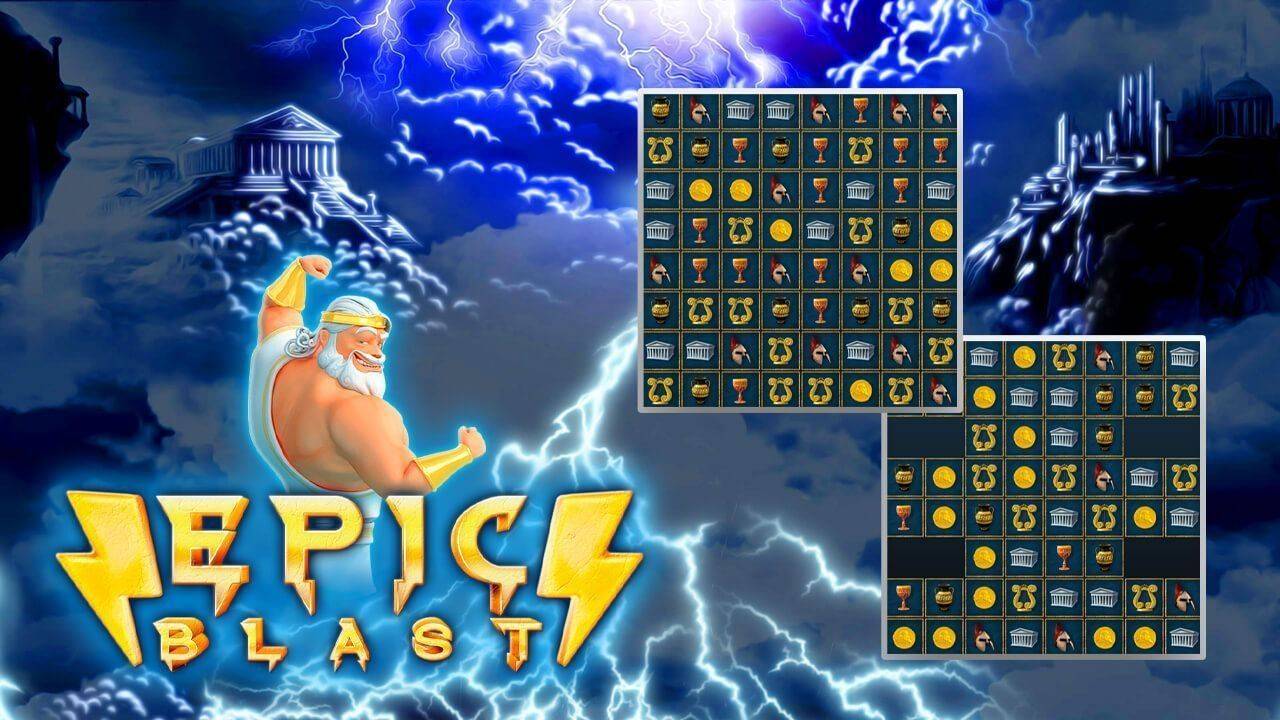
In Olympus Tile Link, the core gameplay revolves around selecting two identical symbols that sit next to each other horizontally or vertically. When paired, these symbols vanish from the board, allowing new tiles to fall into place. This straightforward rule set makes the game easy to pick up, yet the shifting board state requires careful observation. Players must think a step ahead to create chains of matches, as clearing larger groups yields greater progress toward level goals.
Artifact Collection Goals
Each puzzle board presents a specific set of sacred items to collect, such as ancient coins, decorative amphoras, protective helmets, and miniature temple icons. These artifacts are embedded within the tile grid, and players must match symbols adjacent to them to add the items to their collection. The collection system adds a layer of strategy beyond simple matching, as players prioritize which artifacts to target first. Completing the required collection within a limited number of moves is the key to advancing.
Power-Up Strategy
A single lightning bolt power-up is available to help clear crowded sections of the board. When activated, it removes a cluster of tiles, creating space and potentially triggering chain reactions. Using this tool at the right moment can turn a difficult board into a manageable one. However, the power-up is limited, so players must decide when to deploy it for maximum effect. Saving it for boards with many scattered artifacts or tight move counts is often a wise approach.
Visual and Thematic Design
The game draws visual inspiration from ancient Greek art, featuring warm earth tones, marble textures, and stylized illustrations of gods and mythical creatures. The background music is soft and ambient, reinforcing a relaxed atmosphere. Each board is framed with decorative borders that resemble classical pottery patterns. This thematic consistency helps immerse players in the mythological setting without overwhelming the puzzle-focused gameplay.
Pacing and Difficulty Curve
Olympus Tile Link introduces new board layouts gradually, starting with simple patterns and increasing complexity over time. Early levels serve as a tutorial, teaching the basics of matching and artifact collection. Later stages introduce more tiles and tighter move limits, requiring efficient planning. The absence of a timer means players can pause and consider each move, making the game accessible to those who prefer thoughtful play over speed. This gentle progression ensures that both newcomers and experienced puzzle fans find satisfying challenges.





Comments
0 comments